Bibra Lake Bat box Workshop

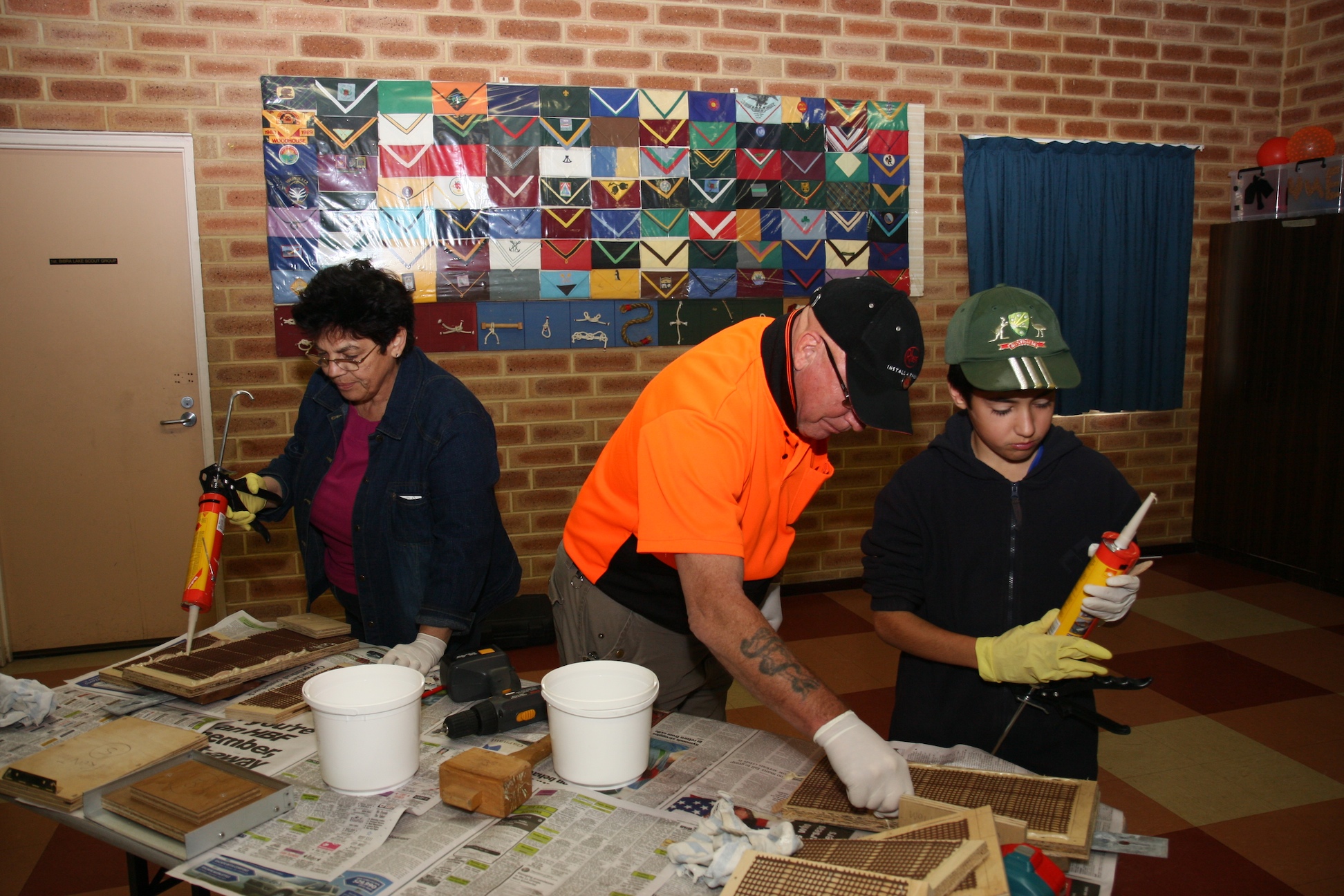
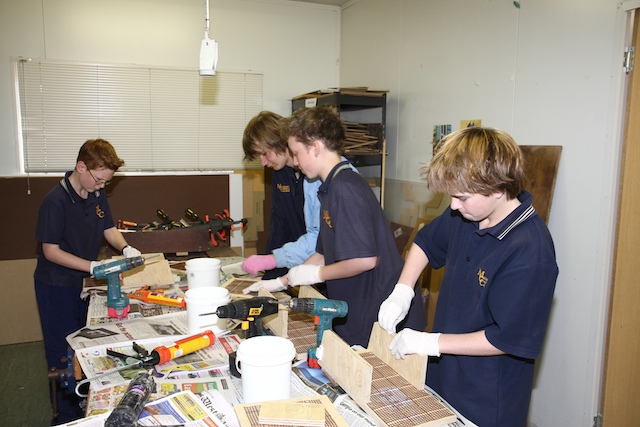
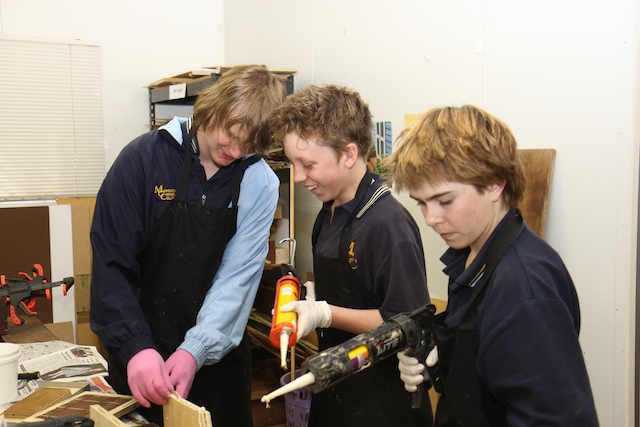
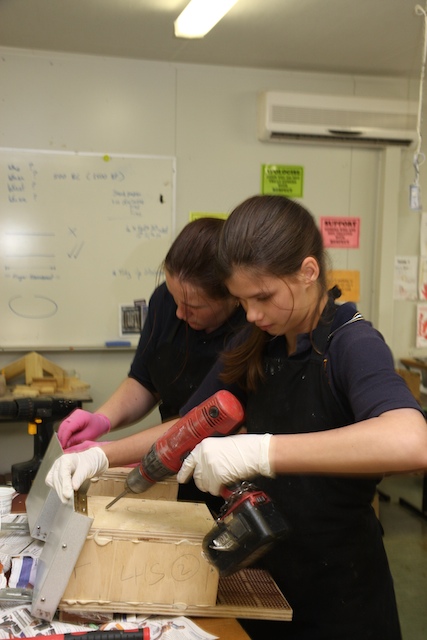
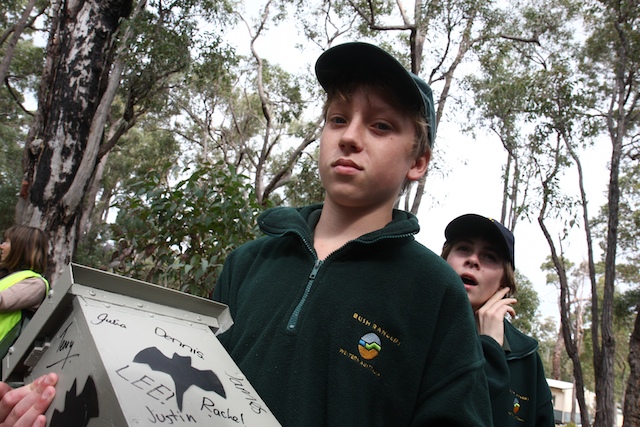
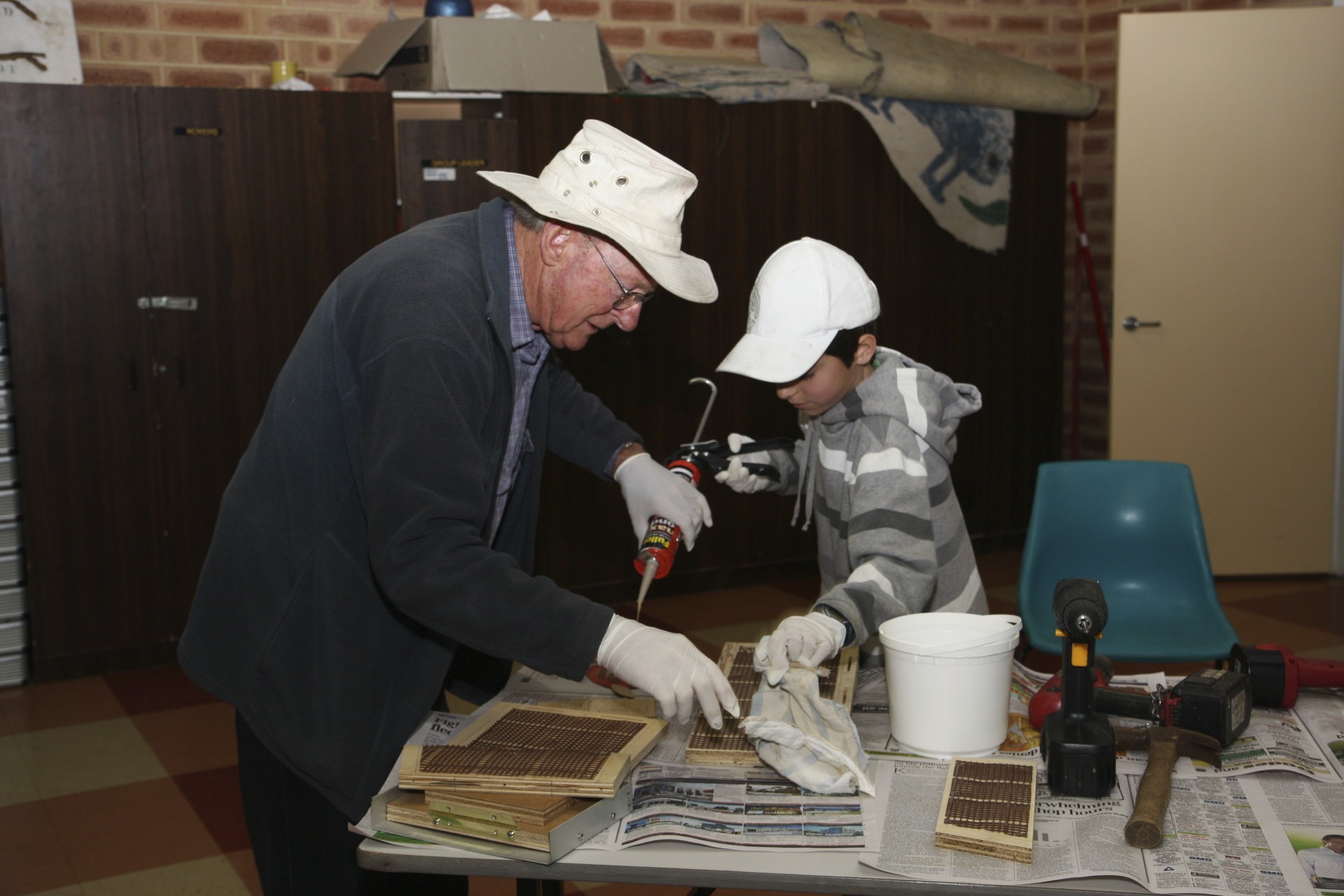
A group of caring participants came together and completed a bat box building workshop at Bibra Lake. They watched a slide show presentation which ,amongst other information, had unique bat videos filmed locally. After learning about some interesting facts on the local bats they entered the building stage. Ten timber boxes were constructed using screws, liquid nails and wood joining biscuits.

<br />

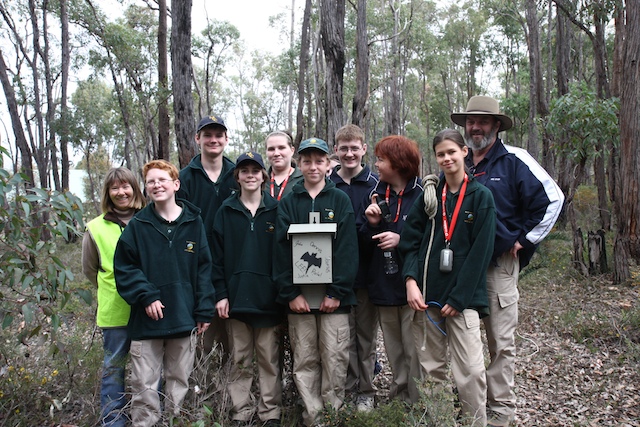
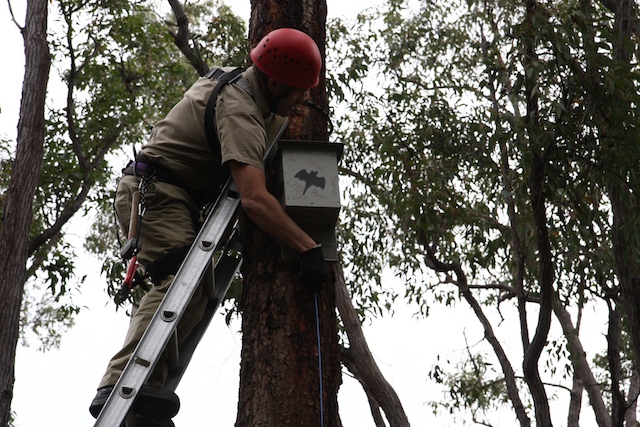
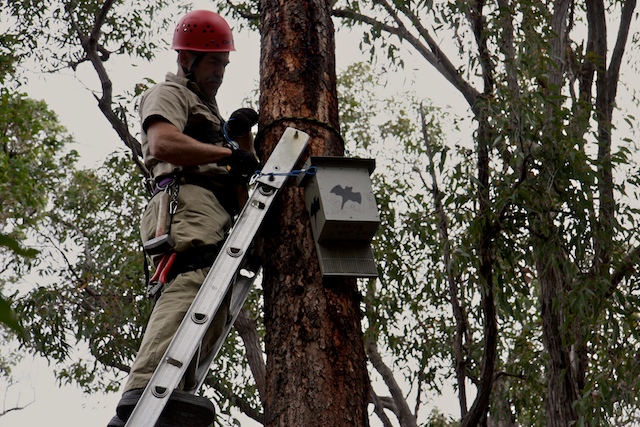
After the new homes are completed they will be installed throughout the Bibra Lake Reserve waiting for the new tenants.

Details and photographs will be posted as the bats take up residence.

Stay tuned…..

Posted in Past Events & Workshops | Tagged , | 1 Comment

Bat power and midnight swims

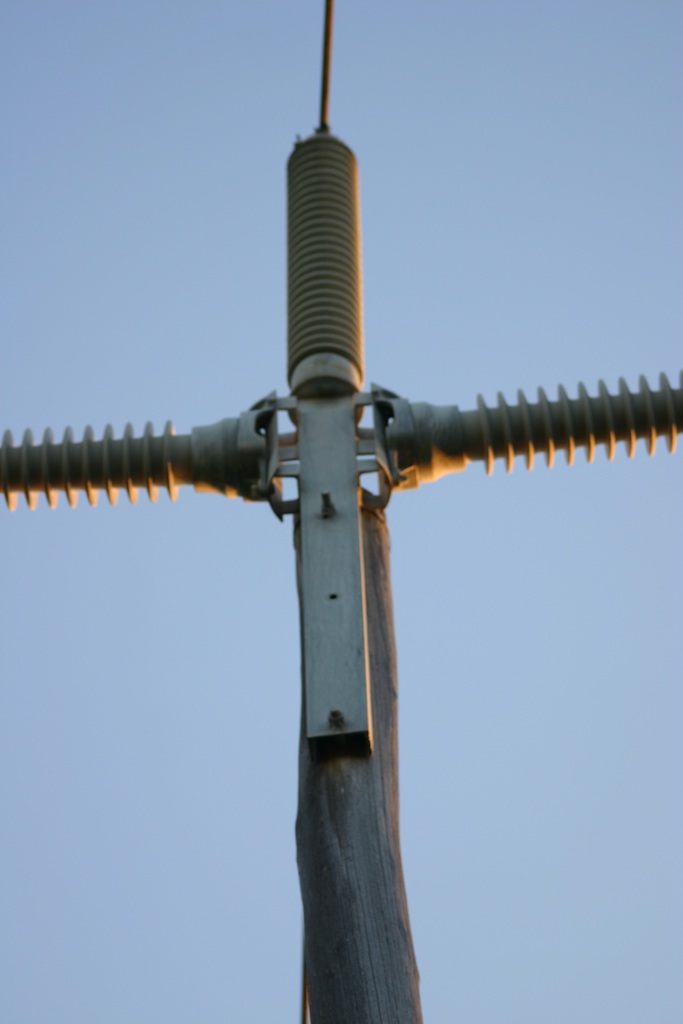
<br />Bats land on pole at the bottom of the steel channel

Bats land on pole at the bottom of the steel channel then climb up inside

While researching micro bats and their habitats, particularly in the metropolitan areas, we engage in some unusual activities. About two years ago I heard that a colony of bats were roosting on a power pole. They were actually hiding in a steel “U” shaped extension sitting at the very top on this pole. Myself and a friend decided to park our car a short distance from this roost and watch the bats emerge. Now, I don’t know about you but if you see some strangers sitting in a parked car on your front verge  acting a little weird I would be a touch suspicious. Anyhow, to allay the fears of the person who lived opposite where we parked our car , I decided to go and knock on the front door and explain who I was and what was I doing there. The lady who came to the front door was relieved at my explanation and then said the following comments: ” Is that why I keep on finding dead bats in my swimming pool”. Yes, as you may have guessed it, the young bats were coming out of the roost and diving down for a drink in her pool. They would hit the water and then stop and become waterlogged with their fur all wet thus becoming heavy. Poor things. They couldn’t climb out.

Now this video shown is not the pool in the story, but it does show you that micro bats do come down and drink in swimming pools.

Leave a comment

Bat box building workshop at Woodman Point Regional Park (January 22, 2009)

<br />

In this hands-on workshop, participants will learn how to build successful bat boxes, also discover unusual facts about the bats themselves. Completed bat boxes will be placed at the Woodman Point Regional Park. They will be monitored and studied for activity.  Imagine building a box knowing that the little bats will love you for having giving them a beautiful home.

By returning to this web site we will keep you informed of when the bats come, take photos and display a map of the bat boxes so you can go and visit them.

What will we cover?

  • What local species are around
  • The type of habitat bats require
  • What they eat and why they are important for our ecosystem
  • How they use echo location to navigate

Who should attend?

  • Families- a great way to share time together
  • Anyone who wants to contribute in a practical way to help the bats
  • learn woodworking skills

Additional Information:

Bookings are essential. Contact Nearer to Nature on (08) 9295 2244 or n2n@dec.wa.gov.au

In the Summer program it is under “Budding Bat Box Builders”

Venue and Date:

When: January 22, 2009 (1pm – 3pm)

Where: Dept of Environment and Conservation Depot (look for the Nearer to Nature sign)

How to get there:

Map here

Posted in Past Events & Workshops | Comments Off on Bat box building workshop at Woodman Point Regional Park (January 22, 2009)

Close-up video of microbats in a Bat Box

Posted in Videos | Comments Off on Close-up video of microbats in a Bat Box

Microbat diving out from a Bat Box

Posted in Videos | Comments Off on Microbat diving out from a Bat Box

Microbats in a tree hollow

Posted in Videos | 1 Comment

Going into bat for creatures

Creatures of the night in Piney Lakes Reserve are sending some local residents a little batty. About 12 volunteers from the Friends of Piney Lakes will track and record the number of bats seen inhabiting the area in the next few weeks. The group will use fine nets called mist traps, as well as ultra-sonic sound detectors, which will allow them to record the type and number of bat species before releasing them.

The City of Melville mayor Katie Mair said many people were completely unaware of the plethora of life that existed within the area. “It would be fantastic to be able to show visitors how much the Piney Lakes has managed to preserve and protect the wildlife that exists right in the middle of suburbia,” she said. She said an existing nature trail through the reserve would be expanded and bat nesting boxes and signage along the trail would be erected by March.

Friends of Piney Lakes volunteer Joe Tonga, who will be involved in the project, said bats offered biological control over mosquitoes and flies. “This is particularly helpful for suburban areas with bodies of water which are the breeding grounds for many insects,” he said. Long-neck tortoises and more than 60 bird varieties can also be found in the Piney Lakes reserve.

— Published in the Melville Times

Leave a comment

Bat man to the rescue

Warmer temperatures could see t he local re-emergence of deadly mosquito-born diseases like malaria and Ross River virus, the Lymphoedema Association of WA says. “We have plenty of local mosquitos that don’t carry  those diseases but are just an irritating nuisance, especially around our wetlands,” mayor Katherine Jackson told the Herald.

But the council and the public should not rely on pesticides to get rid of the pests, she added. “The impact of wildlife can be severe, affecting other animals up the good food chain. For example raptors who eat poisoned rats and mice might be severely debilitated or die,” she said.

At the recent Melville Wood and Wildlife Festival, bird and bat nest box expert Joe Tonga explained the need to build “bat boxes” to house the local mammals. He said bats fed on mosquitoes and could help reduce their numbers in the area. Mayor Jackson reckons such bat boxes could help solve the mosquito problem in Melville’s wetlands. “These boxes are for small insect-eating bats that are only about five centimetres long,” Mr Tonga said.

“Contrary to what people think, these bats do not get caught in people’s hair and they don’t attack anyone. In fact, there are no vampire bats in Australia.” Mr Tonga said building and installing bat boxes would encourage the nocturnal mammals to “do their work cleaning up the mosquitos” and other insects. Mayor Jackson said she wants more bat boxes at Piney Lakes Environmental Centre in Winthrop and other municipalities to stem the mosquito problem.

Leave a comment

Bat Workshop at Mundaring Christian College

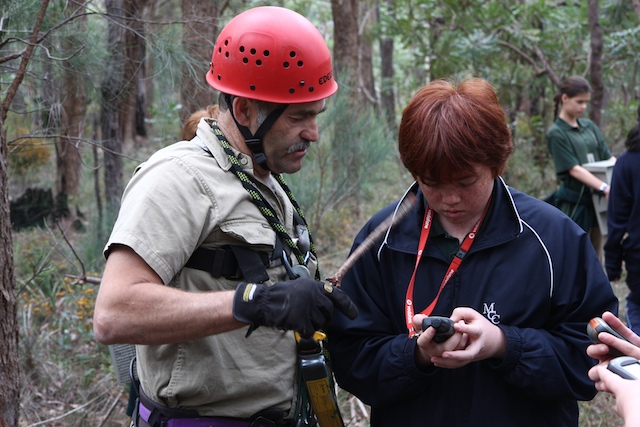
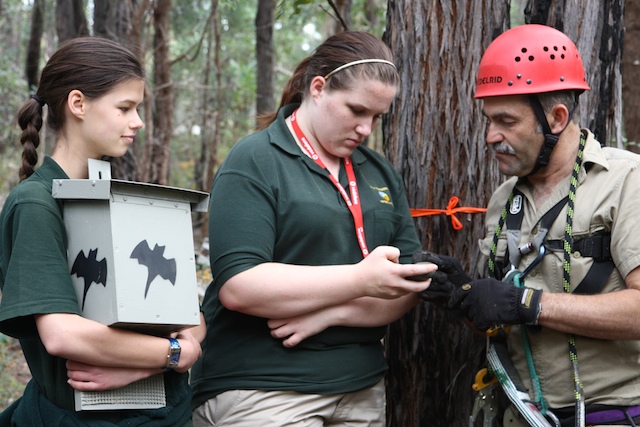
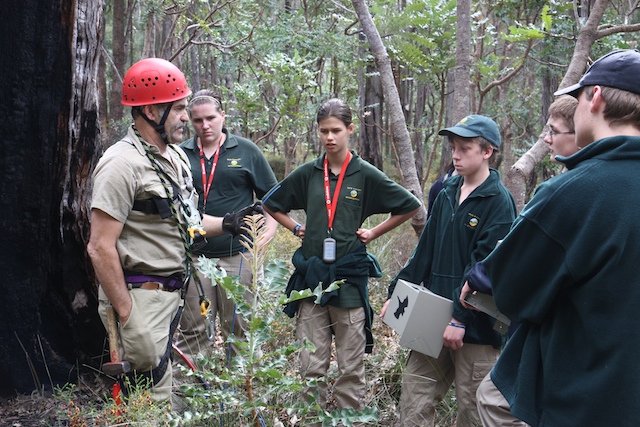
Students from the Mundaring Christian College recently completed a workshop building micro bat boxes.

They had to research the requirements that the bats need to live and breed in a successful artificial habitat.

Based on these findings five trees were selected as potential installation sites. The boxes were installed and a GPS was used to record locations for further studies.

The area chosen is called Black Cockatoo Reserve situated at the rear of the school. A representative from the Friends group was on site to view the installation of the boxes.

Posted in Past Events & Workshops | 1 Comment